
The Hidden Dangers of Small Nicks in Electrical Wire Insulation

When most people think about electrical problems in their homes, they picture sparking outlets, flickering lights, or breakers that trip unexpectedly. These issues are obvious and demand immediate attention. Yet, some of the most common electrical defects are far less visible but can still pose serious risks. One such issue is a small nick or split in the insulation of an electrical wire inside a home's panel. This seemingly minor flaw can reveal much about the condition of your electrical system and the potential hazards lurking behind the scenes.
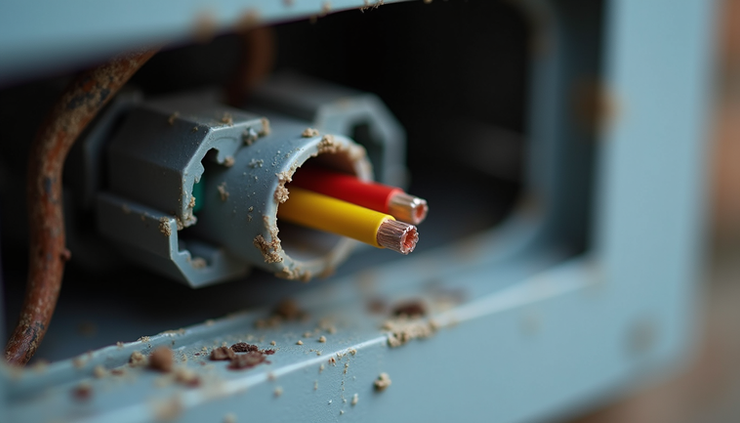
Why Wire Insulation Matters
Electrical wires are coated with insulation for two main reasons: to prevent accidental contact with live wires and to protect the wire itself from damage. The insulation acts as a barrier, keeping electricity safely contained within the conductor. When this barrier is compromised, even slightly, it can lead to dangerous situations such as electrical shorts, shocks, or fires.
A small nick in the insulation may not immediately affect the electrical system’s performance. The circuit might continue to work normally, and no sparks or outages may be visible. This can lull homeowners into a false sense of security. However, the exposed conductor beneath the insulation is vulnerable to contact with other wires, metal parts, or even moisture, which can cause serious problems over time.
How Do These Nicks Happen?
Damaged wire insulation can occur for several reasons. Understanding these causes helps homeowners and inspectors identify potential risks and take action before a small problem becomes a major hazard.
Improper Installation or Handling
During electrical work, wires can be nicked or scraped if handled carelessly. Using sharp tools or pulling wires too hard can damage the insulation.
Excessive Bending or Stress
Wires that are bent sharply or twisted repeatedly can develop cracks or splits in their insulation. This is common in tight spaces inside electrical panels.
Contact with Sharp Edges
Inside an electrical panel, metal edges or mounting hardware can rub against wires, wearing down the insulation over time.
Age-Related Deterioration
Over many years, insulation materials can become brittle and crack, especially if exposed to heat or chemicals.
Accidental Damage During Repairs
When electricians or homeowners perform repairs or modifications, accidental nicks can happen if wires are not handled carefully.
In many cases, these small damages may have existed unnoticed for years. They do not always cause immediate problems but can weaken the electrical system’s safety.
Why Small Nicks Are a Serious Concern
Even though the electrical system may appear to function normally, exposed conductors inside the panel reduce the protection designed to keep the system safe. Here’s why this matters:
Risk of Electrical Shock
Anyone working on or near the panel could accidentally touch an exposed conductor, leading to a shock.
Potential for Short Circuits
Exposed wires can come into contact with other conductors or metal parts, causing short circuits that may trip breakers or damage equipment.
Fire Hazard
Damaged insulation increases the chance of electrical arcing or overheating, which can ignite surrounding materials.
Hidden Danger
These issues are often hidden behind the panel cover and are not visible during a casual home walkthrough. This makes them easy to overlook until a serious problem occurs.
What Should You Do If You Find a Nicked Wire?
If a home inspection reveals damaged wire insulation, the best course of action is to have a qualified electrician evaluate and repair the issue. Here’s what typically happens next:
Assessment
The electrician will inspect the extent of the damage and check for any other signs of wear or risk in the panel.
Repair or Replacement
Depending on the damage, the repair might be as simple as wrapping the wire with electrical tape or replacing the affected section of wire entirely.
Panel Inspection
The electrician may also check for sharp edges or other causes of damage and take steps to prevent future problems.
Safety Testing
After repairs, the system will be tested to ensure it operates safely and reliably.
Taking prompt action can prevent costly repairs and reduce the risk of injury or fire.
Real-Life Example
During a recent home inspection, I found a small split in the insulation of a wire inside the electrical panel. The wire was still functioning normally, but the exposed conductor was clearly visible. The damage likely happened during a previous repair when the wire was bent sharply around a mounting bracket.
The homeowner was unaware of the issue until the inspection. After consulting a licensed electrician, the damaged wire was replaced, and the panel was adjusted to prevent wires from rubbing against sharp edges. This simple fix eliminated a hidden risk that could have caused serious problems later.
How to Prevent Wire Insulation Damage
Prevention is always better than repair. Here are some tips to protect your electrical wiring:
Hire Qualified Professionals
Always use licensed electricians for installation and repairs to ensure proper handling.
Avoid Overcrowding Panels
Too many wires packed into a small space increase the risk of damage.
Inspect Panels Regularly
Schedule routine inspections to catch issues early.
Be Careful During DIY Projects
If you work on electrical systems yourself, handle wires gently and avoid sharp bends.
Replace Old Wiring
If your home has aging electrical systems, consider upgrading to modern wiring with better insulation.
Summary
A small nick in electrical wire insulation might seem insignificant, but it can reveal hidden dangers in your home’s electrical system. Damaged insulation exposes conductors, increasing the risk of shocks, shorts, and fires. These problems often go unnoticed because they are hidden inside panels and do not immediately affect system performance.
If you discover damaged insulation, have a licensed electrician evaluate and repair it promptly. Regular inspections and careful handling of electrical wiring can prevent these issues and keep your home safe.

Comments